Bridging the Communication Gap in Manufacturing: A Local Approach to Solving Employment Shortages
Since 2015, I have closely observed the manufacturing industry’s ongoing struggle with employment shortages. Despite numerous programs designed to address this issue, most operate at a level that is too broad, missing the specific needs of local communities. I believe the solution lies in fostering simple, direct communication and collaboration at the local level, led by industry champions who can empower stakeholders to take meaningful action.
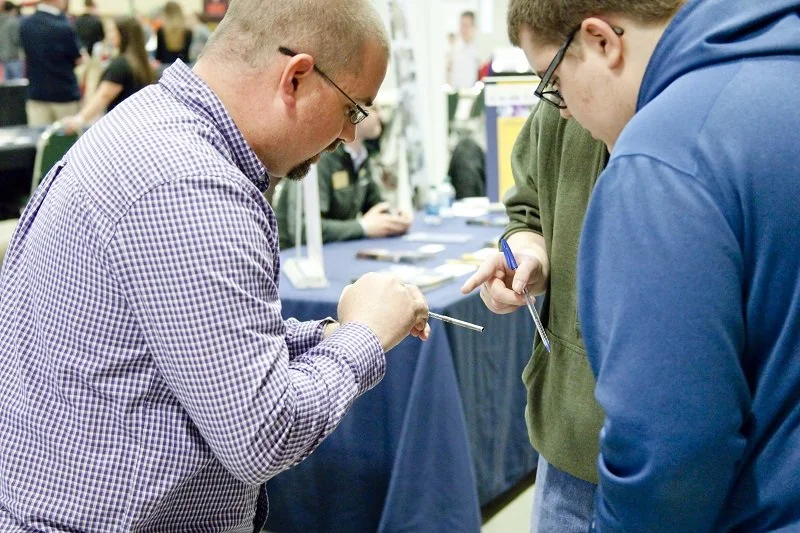
A key challenge is the disconnect between manufacturing leaders and the younger generation. When I ask industry leaders about communication problems, they often see none. However, students exposed to manufacturing environments through shop tours or presentations frequently admit they do not understand what they are seeing. This reveals a critical gap: leaders assume that younger people intuitively grasp industry concepts, while in reality, clear and consistent communication is lacking.
For example, every year a high school technical education class visits a Tool and Die shop. Students walk through the facility, encountering machinery and processes that are unfamiliar. When asked if they know what Tool and Die Making is, most say no. The first step in bridging this gap is to explain, in simple terms, that a Tool and Die shop creates industrial tools, tools that are essential for producing everyday products. This is just one illustration of the broader communication challenges facing the industry.
Collaboration between manufacturing facilities, schools, communities, and government agencies can transform local economies. Communities that have embraced such partnerships are already seeing positive results. These collaborative efforts not only address employment shortages but also strengthen the fabric of the community.
In summary, the path to resolving the nationwide employment shortage in manufacturing is straightforward: prioritize local communication and collaboration. By consistently connecting industry leaders, educators, and students, we can demystify manufacturing careers and inspire the next generation. The rewards of these efforts are clear—stronger communities and a revitalized industry.
Recommendations:
Develop local partnership programs between manufacturers and schools, with clear learning objectives.
Create accessible materials that explain manufacturing processes in everyday language.
Organize regular feedback sessions between students, educators, and industry representatives.
Encourage high-ranking officials to champion local initiatives and empower stakeholders.
Share success stories from collaborative communities to inspire broader adoption.