Lathe Machining 101: A Beginner’s Guide to Precision CNC Turning
Introduction
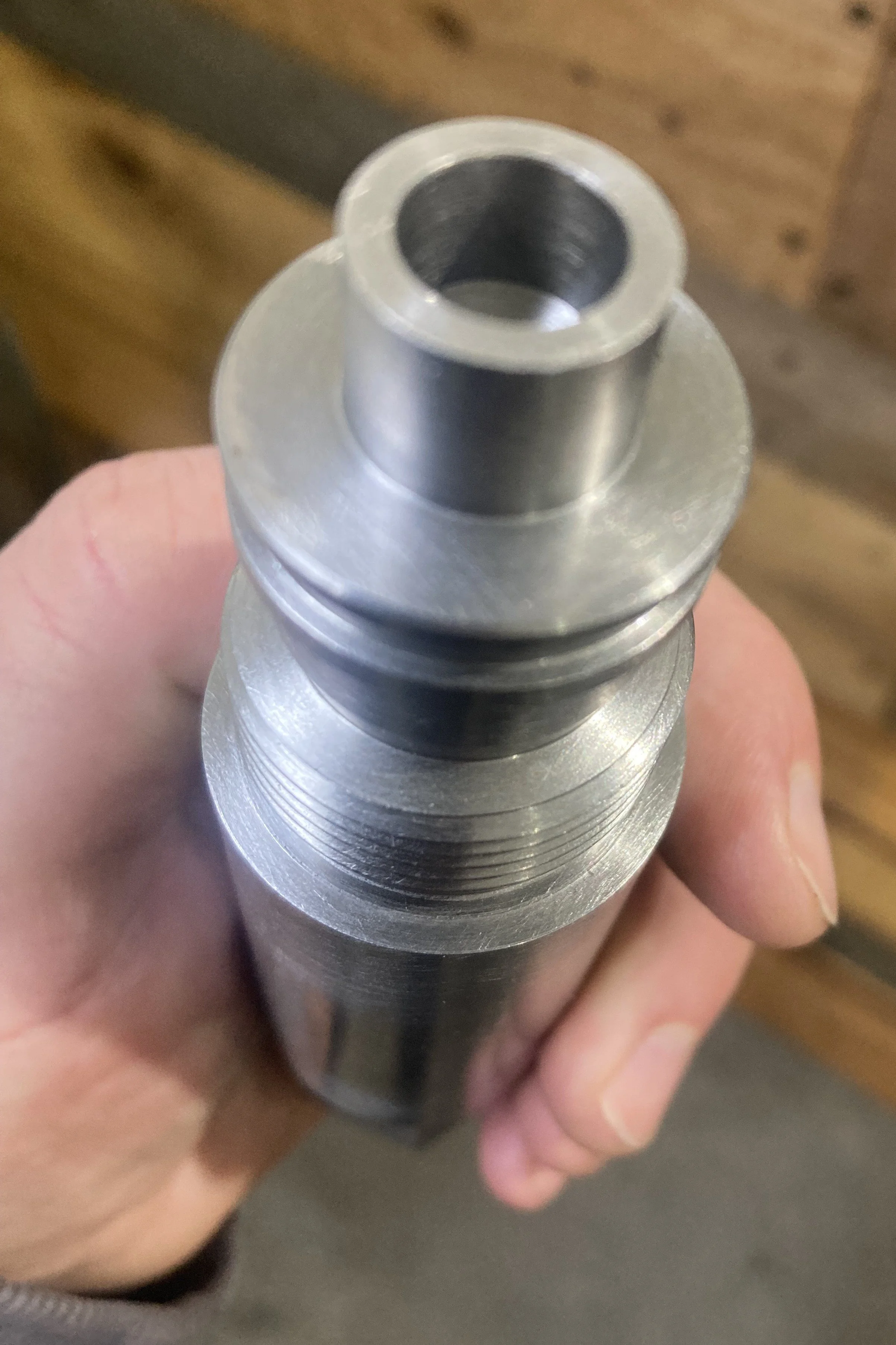
The precise symmetry of a metal shaft, the refined finish on a custom component, and the intricate detailing of mechanical parts are frequently products of lathe operation. In contemporary manufacturing, CNC turning, which represents the computer-controlled advancement of traditional lathe machining, serves as a foundational technique in precision engineering.
This beginner’s guide will walk you through the essentials of lathe machining, from the basics of how it works to the key tips for getting started with CNC (Computer Numerical Control) turning.
What Is Lathe Machining?
At its core, a lathe is a machine tool that rotates a workpiece while a cutting tool shapes it into the desired form. Traditionally, this process was done manually, with the machinist controlling the tool’s movement. Today, CNC lathes automate this process using programmed instructions, allowing for:
Unmatched precision – Tight tolerances
Common CNC Turning Operations
Facing – Creating a flat surface at the end of the workpiece.
Pro Tip: Even though CNC lathes are automated, understanding manual lathe fundamentals will make you a better programmer and machinist.
Materials You Can Machine
CNC lathes can work with a wide range of materials, including:
Metals – Aluminum, steel, brass, titanium.
Each material has unique cutting speeds, tool requirements, and cooling needs.
Why CNC Turning Matters in Modern Manufacturing
CNC turning is essential in industries like:
Aerospace – High-precision engine components.
Its ability to produce complex, high-tolerance parts quickly makes it a backbone of modern production.
Getting Started as a Beginner
If you’re new to CNC turning, here are some steps to set you on the right path:
Learn the Basics of Machining – Understand feeds, speeds, and tooling.