Creating a flawless part with accurate measurements requires thoughtful planning, skilled engineering, and dedicated craftsmanship. This blog article outlines each stage of the process, from the initial idea to the thorough final inspection.
Machining.Blog® is a weekly blog focused on manufacturing career development. It features blog articles on the fundamentals of manufacturing for aspiring machinists. Our goal is to create an interest in manufacturing in the USA. Our writer Matthew Schowalter has worked in manufacturing for 24 years, and he covers the topics that matter to someone starting their career in manufacturing.
“The soft skills the machinist uses are the unseen tools in their box and can directly impact the success or failure of a dreamed after machining career.”
All tagged CNC
Creating a flawless part with accurate measurements requires thoughtful planning, skilled engineering, and dedicated craftsmanship. This blog article outlines each stage of the process, from the initial idea to the thorough final inspection.
If you’ve ever marveled at the precision of an airplane engine, the smooth glide of a medical device, or the intricate parts inside your car, you’ve already seen the handiwork of machinists. Machining is the art and science of shaping raw materials, often metal or plastic into precise components that power our modern world.
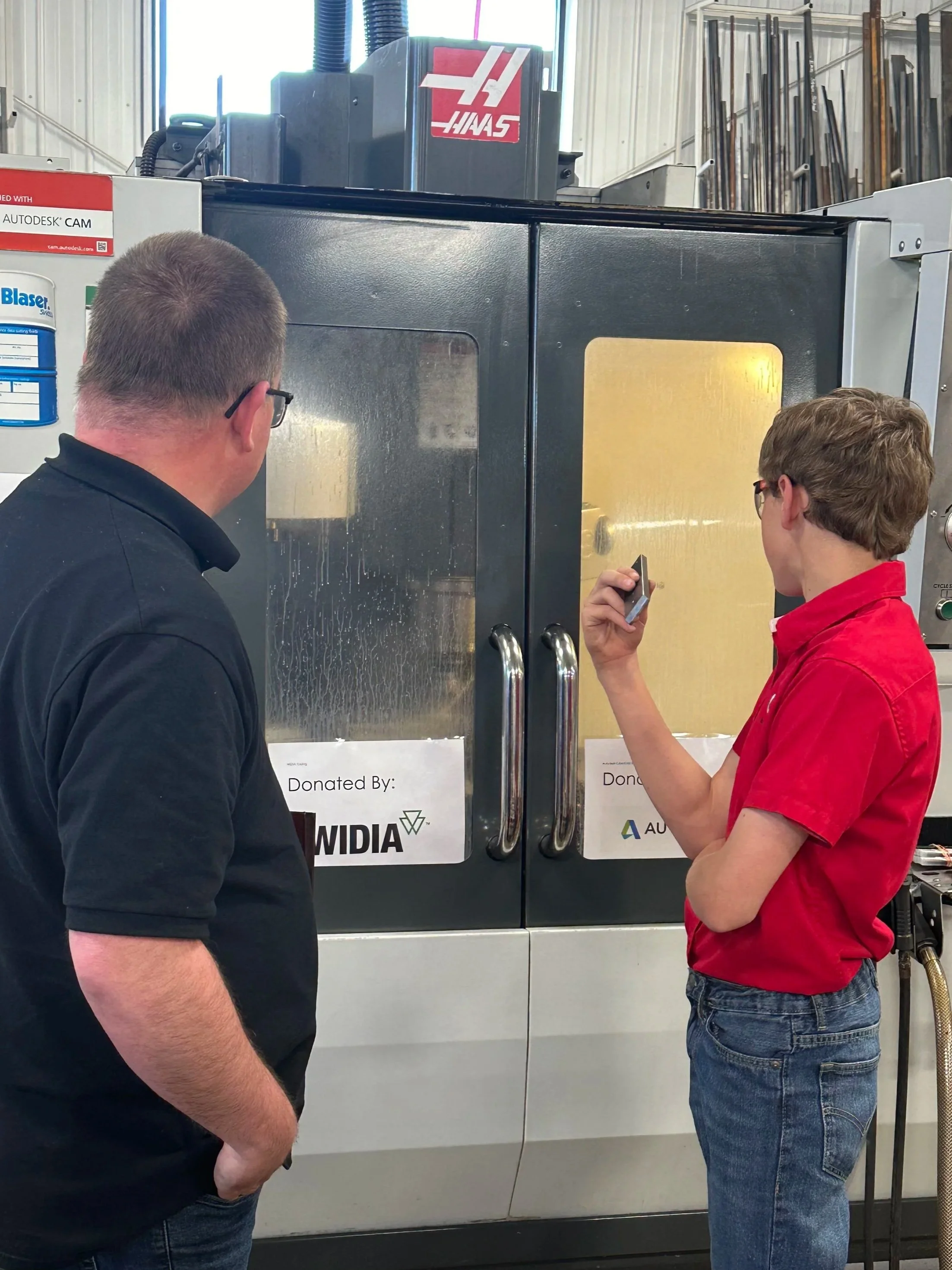
A modern machinist typically progresses through five career stages: apprenticeship, journeyman machinist, specialization, senior or expert machinist, and leadership or mentorship roles. Advancement depends on hands-on experience, technical training, certifications, and continuous learning as machining technology evolves.
The shop floor hums before the sun is fully up. The air carries a faint scent of machine oil, and the rhythmic clatter of metal on metal is already underway. For a precision machinist, the day doesn’t just begin with a clock-in, it begins with a mindset: accuracy above all else.
A cobot can add a lot of value to the manufacturing process in a machine shop. It can increase the productivity of the CNC machine, while also contributing to process accuracy and consistency. Cobots can be easy to program and are safe to use.
CNC is an acronym for Computer Numerical Controlled. CNC is a type of machining practice. Besides CNC the other type of machining is manual machining. In CNC machining the workpiece is held in the machine and the CNC Programmer writes code so that the CNC machine can machine the workpiece. The CNC Machinist sets up and operates the CNC machine and oversees the machining process.
A machine tool is a mechanical device that is used to machine metal components. The machine tool is essential in manufacturing processes and is used to cut, drill, and grind parts. A machine tool could be a lathe, mill, or a grinding machine. Machine tools are essential to making precision parts for production machining operations.
I recently had an opportunity to interview Phil Brown and Umair Riyas from NexGenCAM about how to begin a career in computer-aided manufacturing or CAM. They are applications engineers that specialize in CAM software. Phil and Umair have extensive backgrounds in CNC and CAM/CAD, they offer a few tips to others who may be interested in starting a career in the field.