All in CNC Programming

Becoming a Career Machinist

Machining is by far more interesting than what most people know. From the challenges of implementing new complex equipment in the shop, to CNC programming, or even making complex parts in one setup. It is definitely a career choice that most don’t know how advanced it can be, especially the machining of today. Now, we can make parts in one setup that were once made in many setups on multiple pieces of equipment over a long time frame. My career is a success story in manufacturing technology as I have embraced the technology of today.

Is Being a Machinist Stressful?

Machining could be a stressful job, but it is as stressful as you make it out to be. For example, there are many things to consider when machining parts, like quality issues, time deadlines, and machining conditions. These items may be stressful when you look at everything at once, but if you form a plan with many individual goals to meet it will add up to the end goal of making a quality part and on time.

CNC Machining Terms

The CNC Machining industry has many specialized terms for tooling, machines, and other technology. Here is our list of things to know about machining with CNC equipment.     

  • Blueprint Reading - The term blueprint reading means that someone interprets ideas that are on a drawing or print.

  • CAD/CAM Software – CAD is the acronym for Computer Aided Design. CAM is the acronym for Computer Aided Manufacturing. They are computer software that are used in the manufacturing industry.

  • Caliper – A measuring tool that is used to measure internal and/ or external dimensions on machined parts.

Lathe Machining 101: A Beginner’s Guide to Precision CNC Turning

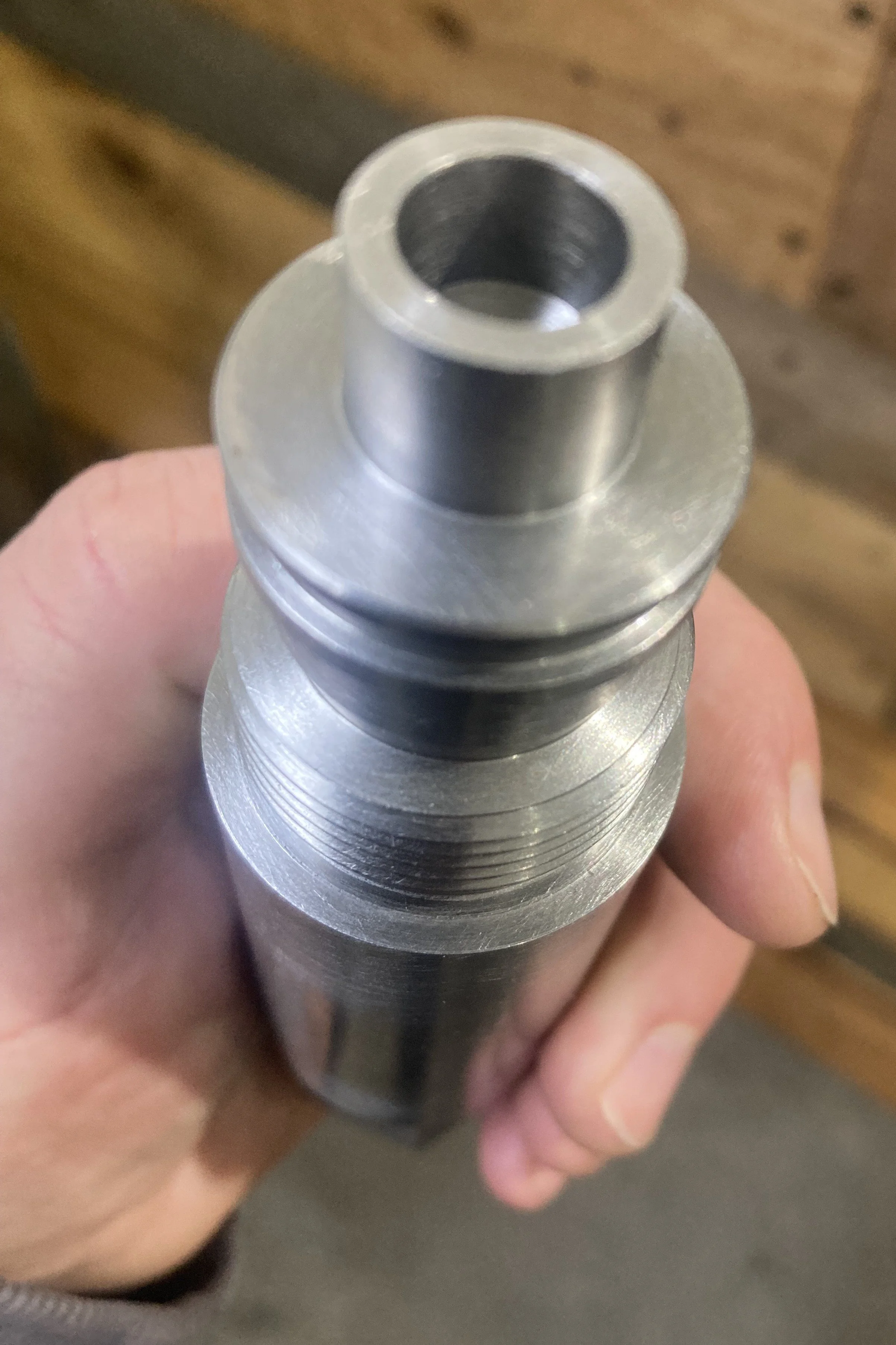
The precise symmetry of a metal shaft, the refined finish on a custom component, and the intricate detailing of mechanical parts are frequently products of lathe operation. In contemporary manufacturing, CNC turning, which represents the computer-controlled advancement of traditional lathe machining, serves as a foundational technique in precision engineering.

From Design to Reality: What It Takes to Make a Part on a CNC Mill

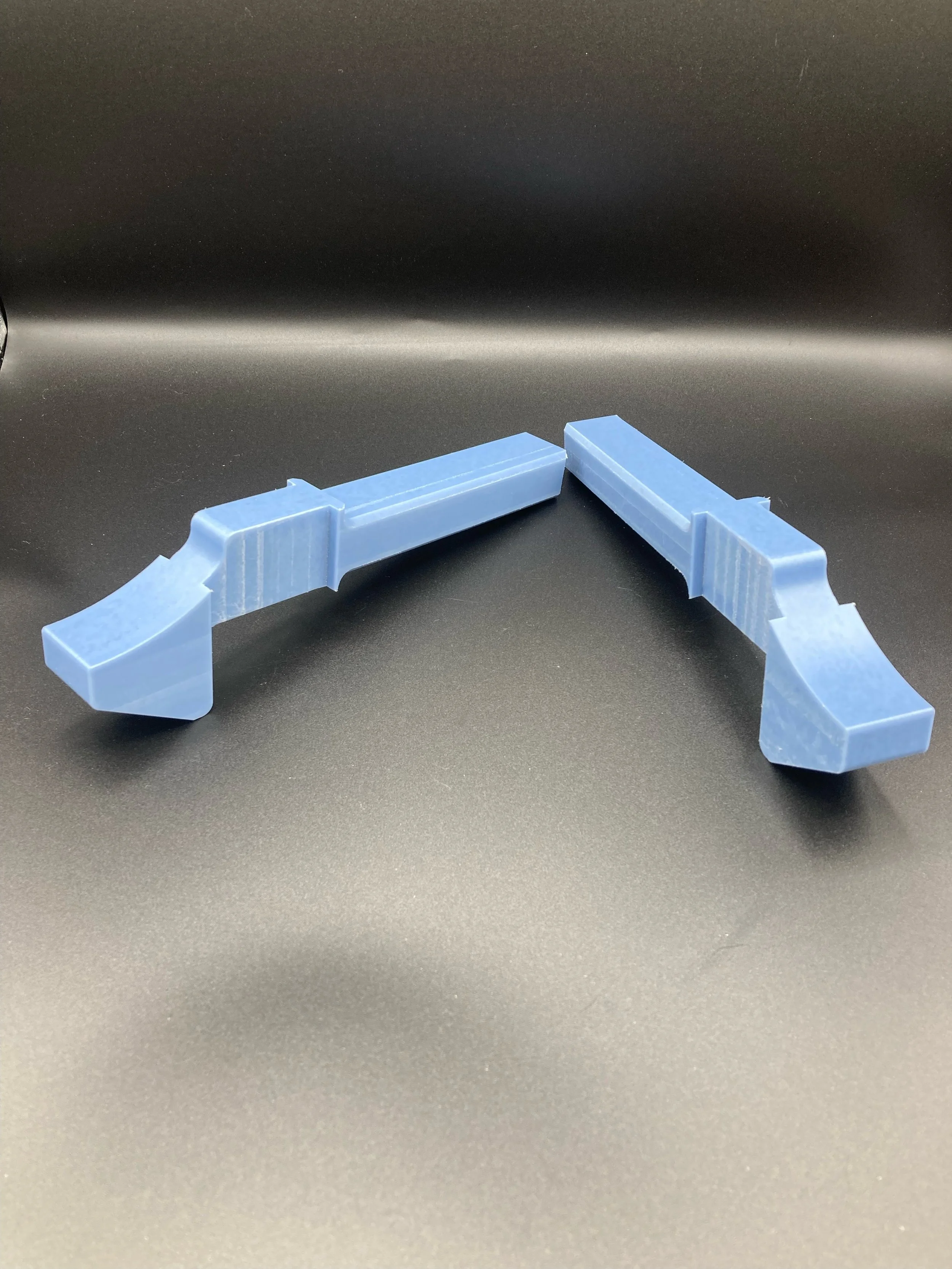
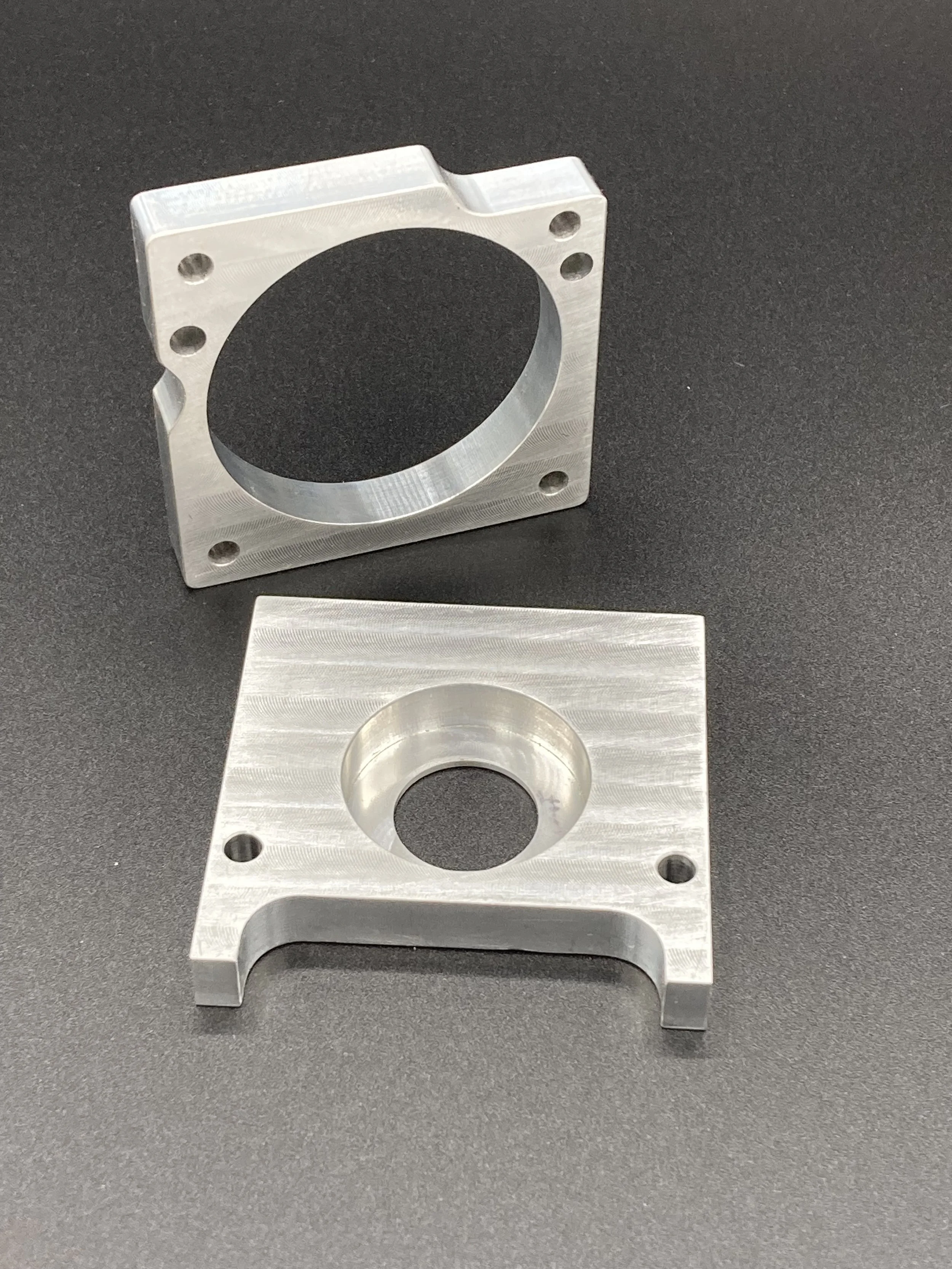
CNC milling offers precise and flexible solutions for manufacturing. Beyond operating the machine, producing parts demands solid design skills, technical knowledge, and effective process management.

This article outlines the key steps in making a CNC-milled part, detailing the process from concept to finished product.

CNC Machinist Interview Question Subjects to Prepare For

Preparing for a CNC machinist interview means showing your technical skills, attention to detail, and problem-solving abilities. Employers look for candidates who can operate CNC machines safely, maintain quality, and work efficiently.

Here are some subjects and details that the employer might look for in a applicant.

A Beginner’s Guide to Starting Your Career in Machining

If you’ve ever marveled at the precision of an airplane engine, the smooth glide of a medical device, or the intricate parts inside your car, you’ve already seen the handiwork of machinists. Machining is the art and science of shaping raw materials, often metal or plastic into precise components that power our modern world.
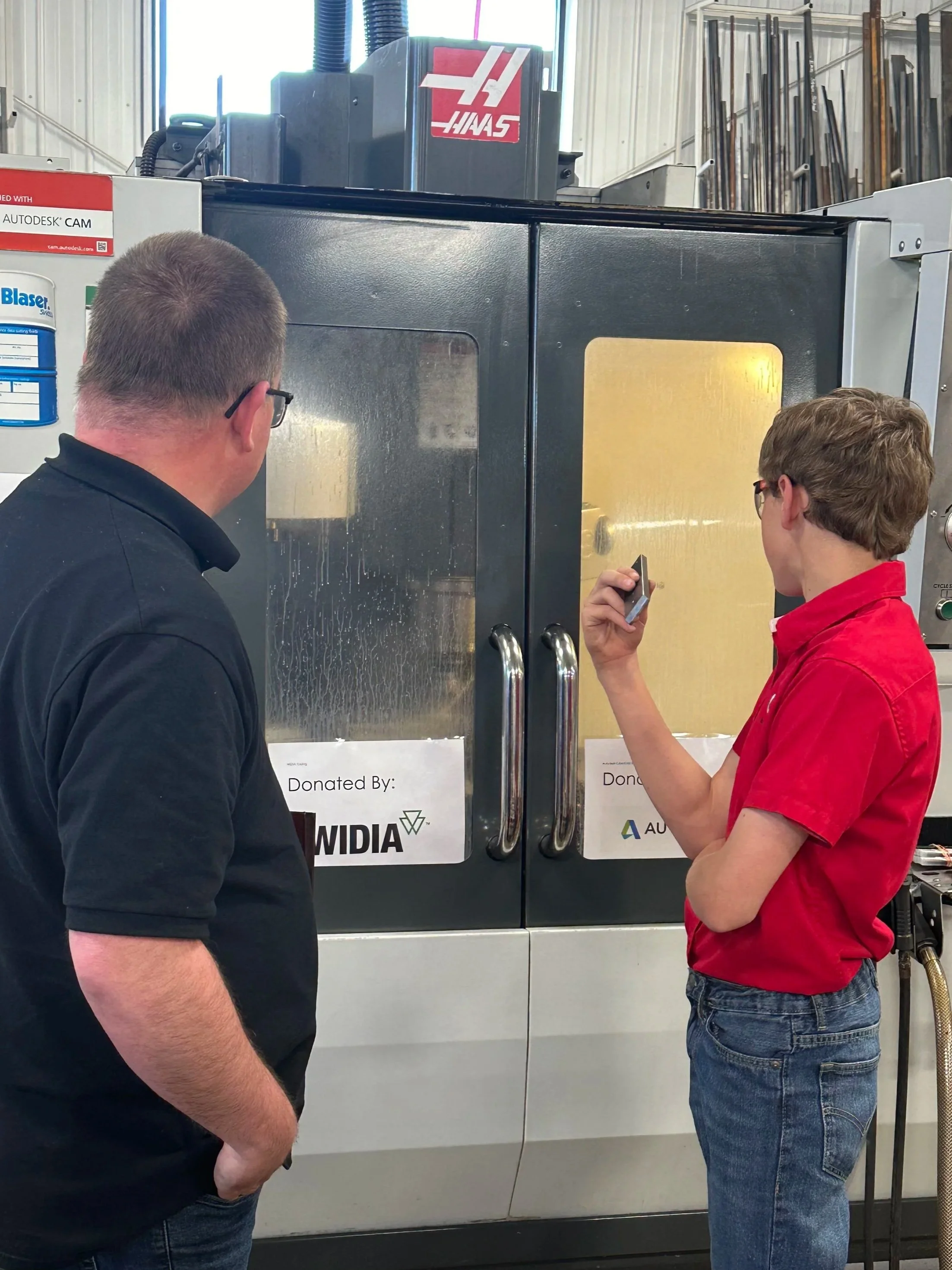
How to Advance Your Machining Career Without Leaving the Shop Floor

Many machinists prefer to stay on the shop floor, where their skill and craftsmanship transform raw material into precision parts. Remaining in a hands-on role does not limit career growth; you can continue to advance, increase your earnings, and gain respect without stepping away from the machines.

Inside the Shop: A Day in the Life of a Precision Machinist

The shop floor hums before the sun is fully up. The air carries a faint scent of machine oil, and the rhythmic clatter of metal on metal is already underway. For a precision machinist, the day doesn’t just begin with a clock-in, it begins with a mindset: accuracy above all else.