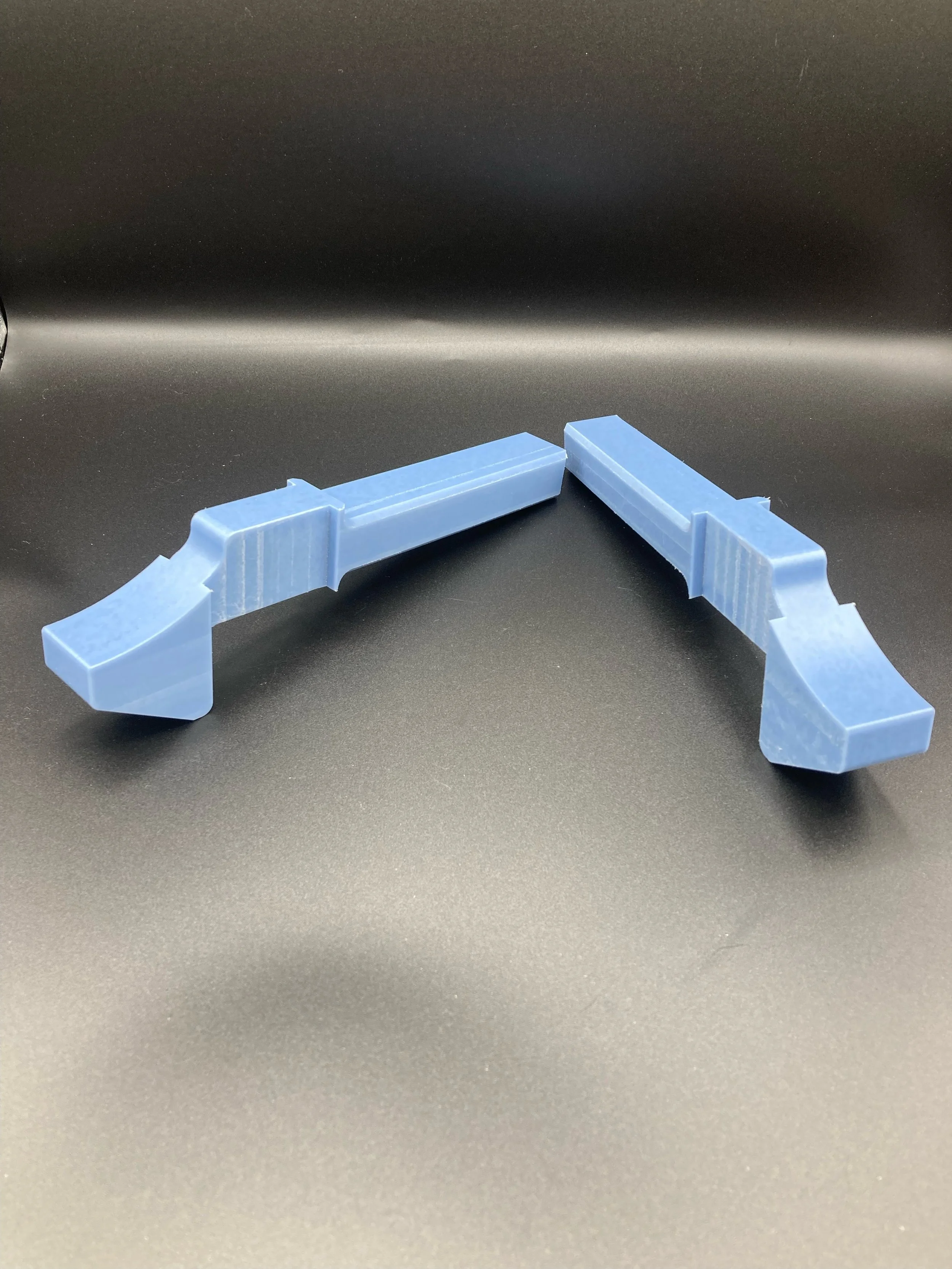
Production machining means making a lot of the same parts with great accuracy. Factories use machines like CNC (Computer Numerical Control) machines, Swiss machines, and multi-axis turning machines to do this.

Machining.Blog® is a weekly blog focused on manufacturing career development. It features blog articles on the fundamentals of manufacturing for aspiring machinists. Our goal is to create an interest in manufacturing in the USA. Our writer Matthew Schowalter has worked in manufacturing for 24 years, and he covers the topics that matter to someone starting their career in manufacturing.

“The soft skills the machinist uses are the unseen tools in their box and can directly impact the success or failure of a dreamed after machining career.”
All tagged Machining
Production machining means making a lot of the same parts with great accuracy. Factories use machines like CNC (Computer Numerical Control) machines, Swiss machines, and multi-axis turning machines to do this.
The CNC Machining industry has many specialized terms for tooling, machines, and other technology. Here is our list of things to know about machining with CNC equipment.
Blueprint Reading - The term blueprint reading means that someone interprets ideas that are on a drawing or print.
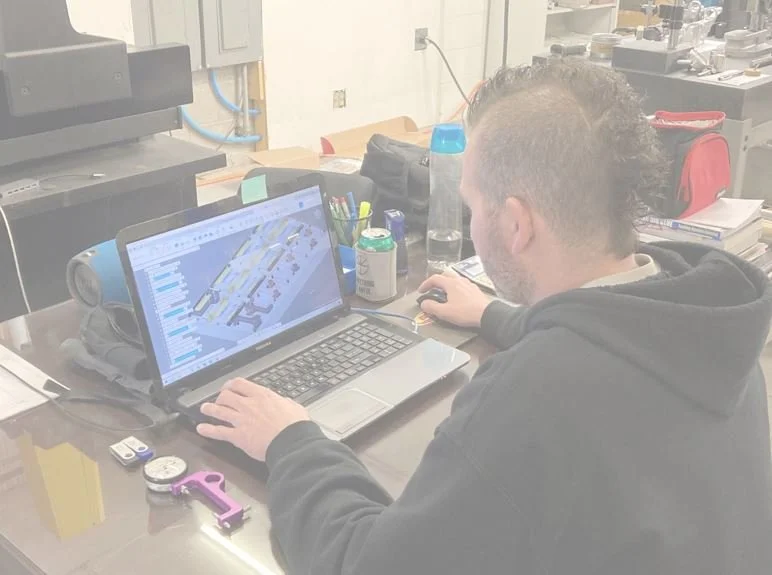
CAD/CAM Software – CAD is the acronym for Computer Aided Design. CAM is the acronym for Computer Aided Manufacturing. They are computer software that are used in the manufacturing industry.
Caliper – A measuring tool that is used to measure internal and/ or external dimensions on machined parts.
CNC milling offers precise and flexible solutions for manufacturing. Beyond operating the machine, producing parts demands solid design skills, technical knowledge, and effective process management.
This article outlines the key steps in making a CNC-milled part, detailing the process from concept to finished product.
Creating a flawless part with accurate measurements requires thoughtful planning, skilled engineering, and dedicated craftsmanship. This blog article outlines each stage of the process, from the initial idea to the thorough final inspection.
Many machinists prefer to stay on the shop floor, where their skill and craftsmanship transform raw material into precision parts. Remaining in a hands-on role does not limit career growth; you can continue to advance, increase your earnings, and gain respect without stepping away from the machines.
The shop floor hums before the sun is fully up. The air carries a faint scent of machine oil, and the rhythmic clatter of metal on metal is already underway. For a precision machinist, the day doesn’t just begin with a clock-in, it begins with a mindset: accuracy above all else.
Precision machining is the process of removing material from the workpiece and holding a tight tolerance and finish on the part. The process of removing material from the workpiece is usually done with computer numerical controlled (CNC) machines.
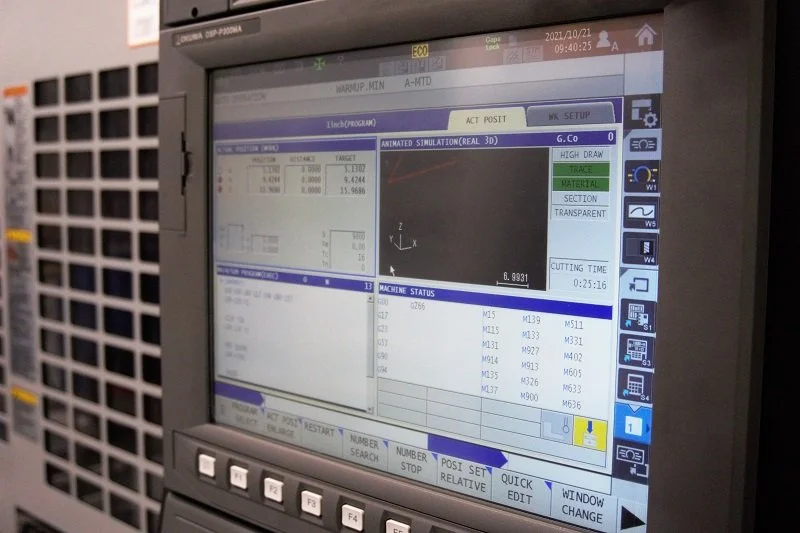
CNC is an acronym for Computer Numerical Controlled. CNC is a type of machining practice. Besides CNC the other type of machining is manual machining. In CNC machining the workpiece is held in the machine and the CNC Programmer writes code so that the CNC machine can machine the workpiece. The CNC Machinist sets up and operates the CNC machine and oversees the machining process.
Do You Have the Important Qualities for a Career in Machining?
Do you have a mechanical skillset?
Are you a technical person?
Do you excel at math?
If so, consider a career as a Machinist or Tool and Die Maker
Mathematical Skills - Ability to add, subtract, multiply, divide, and compute basic trigonometry functions while choosing the right methods to solve the problem
Reasoning Ability - Ability to use common sense understanding and solve problems
Oral Comprehension - Ability to listen and understand information spoken
Computer Literacy - Ability to use a computer and work with Microsoft Office programs
Mechanical / Technical Skills - Must operate lathes, mills, grinders and other computer controlled machines
Machinists make components and parts on computer controlled manufacturing equipment such as a CNC lathe or a CNC mill.
Tool and die makers make tool, die and mold components and other industrial tools on manual and CNC equipment. They also fit the components together and align and assemble the industrial tools.