Creating a flawless part with accurate measurements requires thoughtful planning, skilled engineering, and dedicated craftsmanship. This blog article outlines each stage of the process, from the initial idea to the thorough final inspection.
Machining.Blog® is a weekly blog focused on manufacturing career development. It features blog articles on the fundamentals of manufacturing for aspiring machinists. Our goal is to create an interest in manufacturing in the USA. Our writer Matthew Schowalter has worked in manufacturing for 24 years, and he covers the topics that matter to someone starting their career in manufacturing.
“The soft skills the machinist uses are the unseen tools in their box and can directly impact the success or failure of a dreamed after machining career.”
All in Production Machining
Creating a flawless part with accurate measurements requires thoughtful planning, skilled engineering, and dedicated craftsmanship. This blog article outlines each stage of the process, from the initial idea to the thorough final inspection.
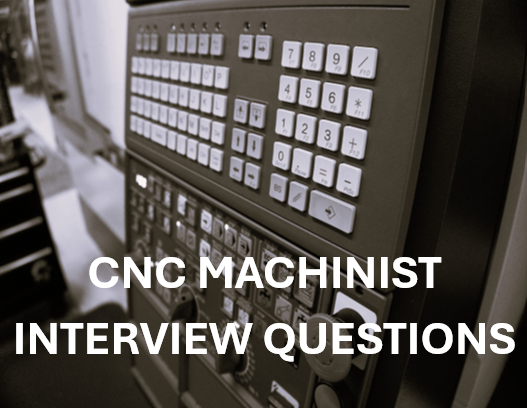
Preparing for a CNC machinist interview means showing your technical skills, attention to detail, and problem-solving abilities. Employers look for candidates who can operate CNC machines safely, maintain quality, and work efficiently.
Here are some subjects and details that the employer might look for in a applicant.
Machining has its own set of terms and concepts that can be overwhelming at first. Understanding this vocabulary is crucial for safety and confidence in the shop. This guide explains thirty key machining terms every beginner should know, using straightforward language.
If you’ve ever marveled at the precision of an airplane engine, the smooth glide of a medical device, or the intricate parts inside your car, you’ve already seen the handiwork of machinists. Machining is the art and science of shaping raw materials, often metal or plastic into precise components that power our modern world.
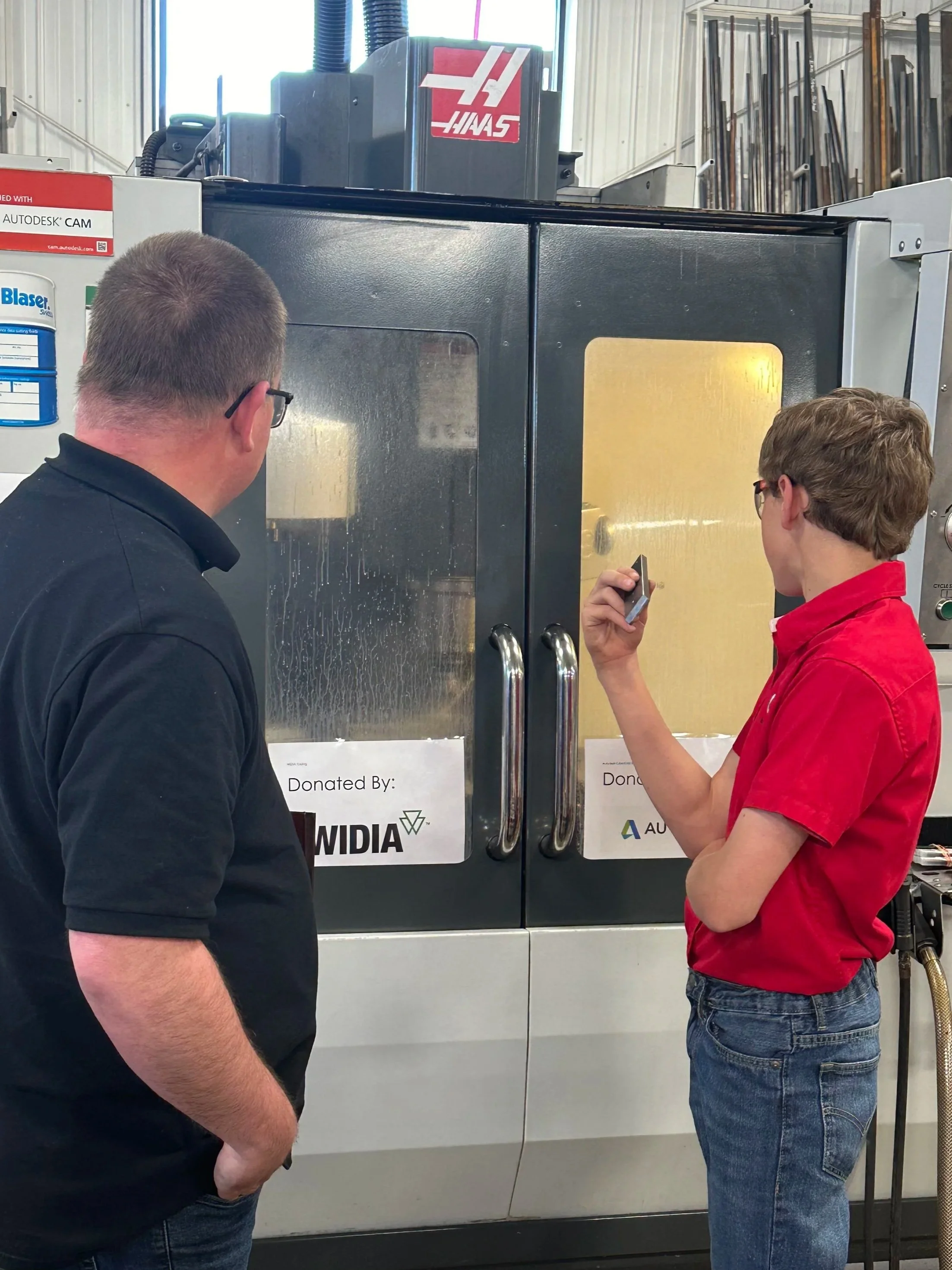
Many machinists prefer to stay on the shop floor, where their skill and craftsmanship transform raw material into precision parts. Remaining in a hands-on role does not limit career growth; you can continue to advance, increase your earnings, and gain respect without stepping away from the machines.
The shop floor hums before the sun is fully up. The air carries a faint scent of machine oil, and the rhythmic clatter of metal on metal is already underway. For a precision machinist, the day doesn’t just begin with a clock-in, it begins with a mindset: accuracy above all else.
Production machining means making a lot of the same parts with great accuracy. Factories use machines like CNC (Computer Numerical Control) machines, Swiss machines, and multi-axis turning machines to do this.