All tagged Machining Careers

Machining Myths Busted: Separating Fact from Fiction

Debunking common misconceptions about the trade.

Machining is one of those trades that often sits in the shadows of public awareness, until you need a precision part, a custom prototype, or a component that simply must work. Yet, despite its critical role in manufacturing, machining is surrounded by myths that can distort how people view the profession. These misconceptions can discourage new talent, mislead customers, and even slow innovation.

CNC Machinist Interview Question Subjects to Prepare For

Preparing for a CNC machinist interview means showing your technical skills, attention to detail, and problem-solving abilities. Employers look for candidates who can operate CNC machines safely, maintain quality, and work efficiently.

Here are some subjects and details that the employer might look for in a applicant.

A Beginner’s Guide to Starting Your Career in Machining

If you’ve ever marveled at the precision of an airplane engine, the smooth glide of a medical device, or the intricate parts inside your car, you’ve already seen the handiwork of machinists. Machining is the art and science of shaping raw materials, often metal or plastic into precise components that power our modern world.
How to Advance Your Machining Career Without Leaving the Shop Floor

Many machinists prefer to stay on the shop floor, where their skill and craftsmanship transform raw material into precision parts. Remaining in a hands-on role does not limit career growth; you can continue to advance, increase your earnings, and gain respect without stepping away from the machines.

Inside the Shop: A Day in the Life of a Precision Machinist

The shop floor hums before the sun is fully up. The air carries a faint scent of machine oil, and the rhythmic clatter of metal on metal is already underway. For a precision machinist, the day doesn’t just begin with a clock-in, it begins with a mindset: accuracy above all else.

What it Takes to Become a Machinist

Machining and Tool & Die Making is what I have spent most of my career doing. There is something to be said for being able to turn a raw piece of material into a complex finished part. Through all my roles in the machine shop environment, I have identified a few soft skills, hard skills, and technical skills to have mastered if you want to be a great machinist.

Machining a Great Career Path - The Steps to Success in Manufacturing Technology

When you ask what machining means to me, I could go on for hours with stories about how I made complex parts on machines that are even more complicated than the parts themselves. Machining is by far more interesting than what most people know. From the challenges of implementing new complex equipment in the shop, to CNC programming, or even making complex parts in one setup. It is a career choice that most do not know how advanced it can be, especially the machining of today. Now, we can make parts in one setup that were once made in many setups on multiple pieces of equipment over a long-time frame. My career is a success story in manufacturing technology as I have embraced the technology of today and here is how I made it happen with six simple steps in career success.

Introducing the Younger Generation to Manufacturing

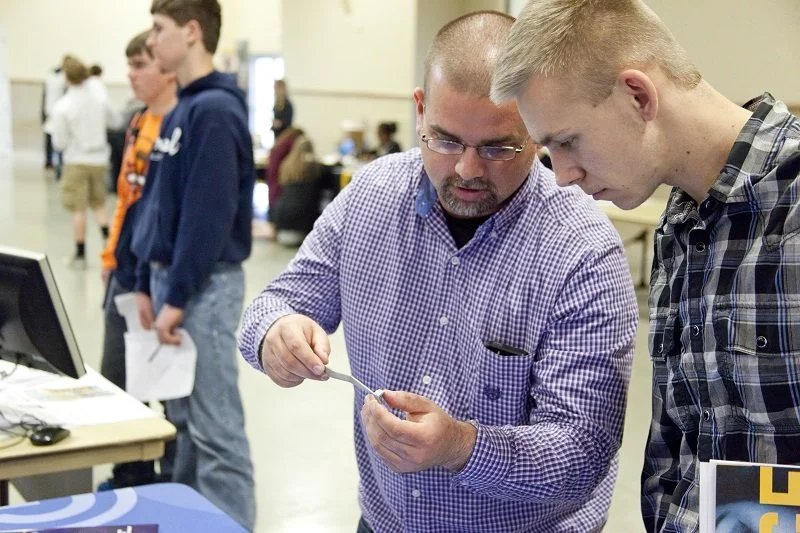
Adapting to the worker shortage in manufacturing is difficult. Some shops may choose to search more aggressively for employees, while others might invest in technology that helps streamline the manufacturing processes. Then there are other manufacturing facilities that may buy another machine shop to gain capabilities. Those are all ways to overcome the worker shortage, but this article will focus on how to introduce manufacturing to the younger generation to help fix the worker shortage.

Transitioning Into a Machining Career

A manufacturing career was not the first plan for Alex’s career, but he gave it a consideration and a try after discussing with someone close to him. This career change happened in 2017 after he spent several years working in the restaurant industry as a busboy and a line cook. From there he went to technical school for a semester for computer programming, but he cancelled that plan after trying to take nineteen credits in one semester.