Introduction to Essential Machining Terms
Machining has its own set of terms and concepts that can be overwhelming at first. Understanding this vocabulary is crucial for safety and confidence in the shop. This guide explains thirty key machining terms every beginner should know, using straightforward language.
Key Machining Terms Explained
1. CNC (Computer Numerical Control)
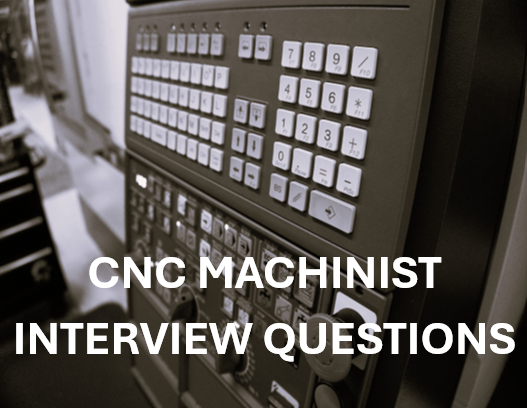
A system where machines are controlled by computer programs rather than manual operation. CNC allows for high precision and repeatability.
2. Lathe
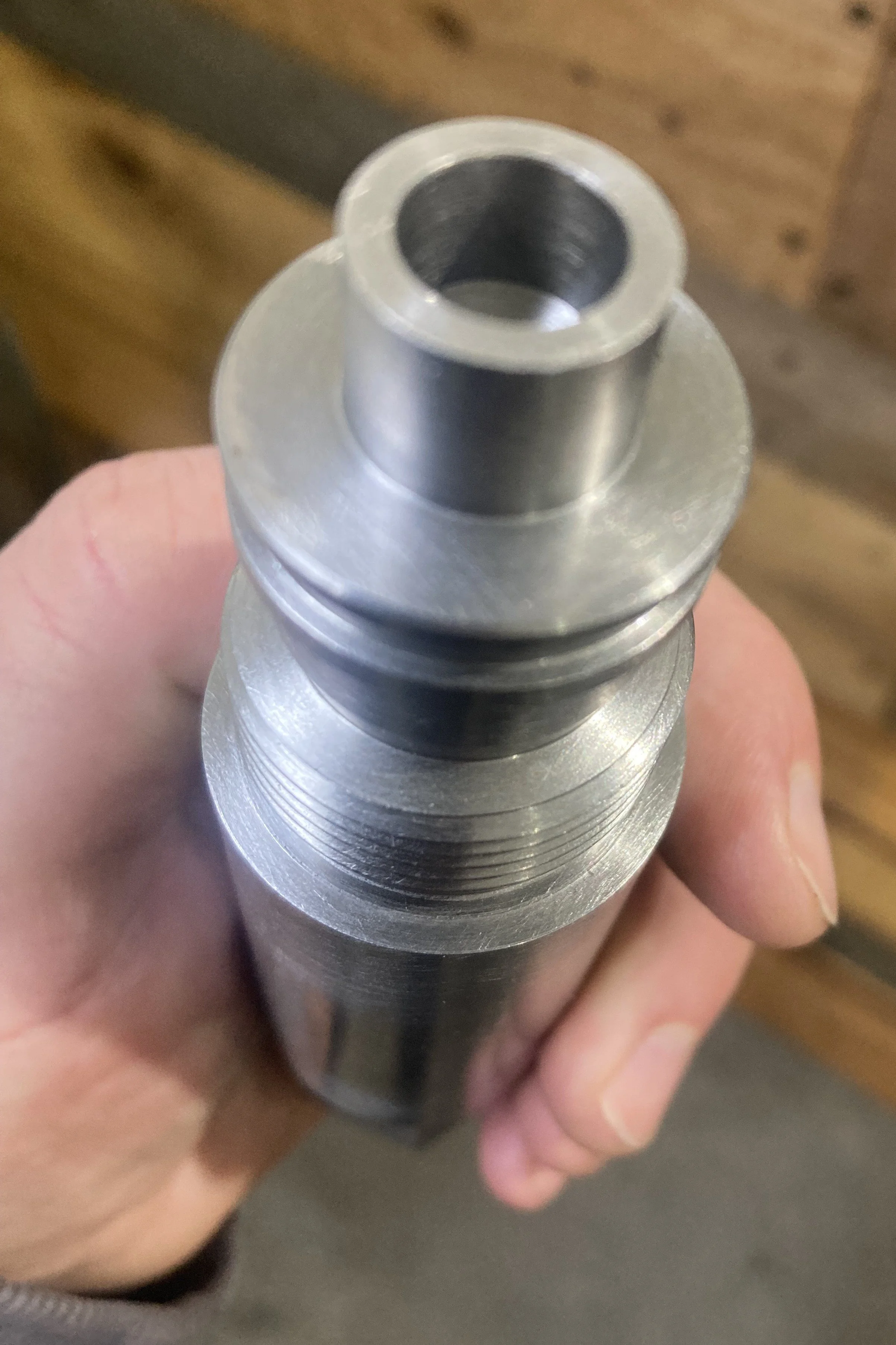
A machine tool that rotates a workpiece while cutting tools shape it, ideal for cylindrical parts.
3. Milling Machine
A machine that uses rotating cutting tools to remove material from a stationary workpiece.
4. End Mill
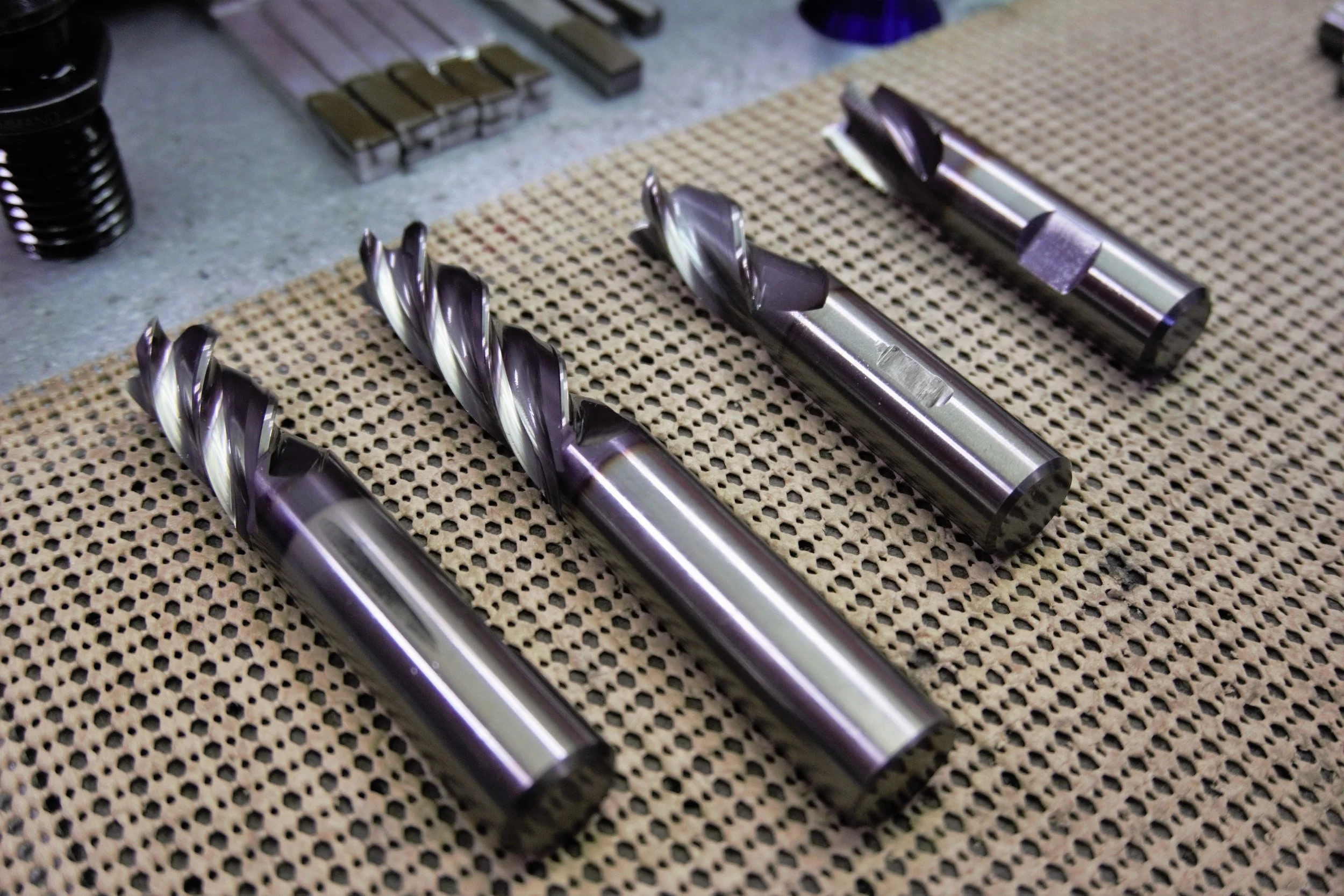
A type of milling cutter with cutting edges on the end and sides, used for shaping and contouring.
5. Drill Bit
A cutting tool used to create round holes in a workpiece.
6. Chuck
A clamping device that holds the workpiece or tool in place on a lathe or drill.
7. Collet
A sleeve that holds a tool or workpiece securely, often used in milling machines for precision.
8. Spindle
The rotating axis of a machine that holds and drives the cutting tool or workpiece.
9. Feed Rate
The speed at which the cutting tool moves through the material, usually measured in inches per minute (IPM) or millimeters per minute (mm/min).
10. RPM (Revolutions Per Minute)
The rotational speed of the spindle or workpiece.
11. Tolerance
The allowable deviation from a specified dimension, critical for ensuring parts fit and function correctly.
12. Surface Finish
The texture or smoothness of a machined surface, often measured in microinches or micrometers.
13. Fixture
A custom device used to hold a workpiece in place during machining.
14. Jig
A guiding device that ensures tools follow the correct path when machining.
15. Coolant
A fluid used to reduce heat and friction during cutting, prolonging tool life and improving surface finish.
16. Chip Load
The thickness of material removed by each cutting edge per revolution, important for tool performance.
17. G-Code
The programming language used to control CNC machines, telling them where and how to move.
18. M-Code
Machine control codes that handle auxiliary functions like turning coolant on or off.
19. Workholding
Any method or device used to secure a workpiece during machining.
20. Toolholder
A device that secures the cutting tool in the machine spindle.
21. Backlash
The small amount of movement lost when reversing the direction of a machine’s axis,can affect accuracy.
22. Climb Milling
A milling method where the cutter rotates in the same direction as the feed, often producing a better finish.
23. Conventional Milling
The opposite of climb milling, where the cutter rotates against the feed direction, better for roughing.
24. Datum
A reference point or surface from which measurements are taken.
25. Deburring
The process of removing sharp edges or burrs from a machined part.
26. Facing
A machining operation that creates a flat surface on the end of a workpiece.
27. Turning
A lathe operation where material is removed from the outside diameter of a rotating workpiece.
28. Boring
Enlarging an existing hole with a single-point cutting tool for greater accuracy.
29. Reaming
Finishing a drilled hole to a precise size and smoothness using a reamer.
30. Threading
Cutting helical grooves into a workpiece to create screw threads.