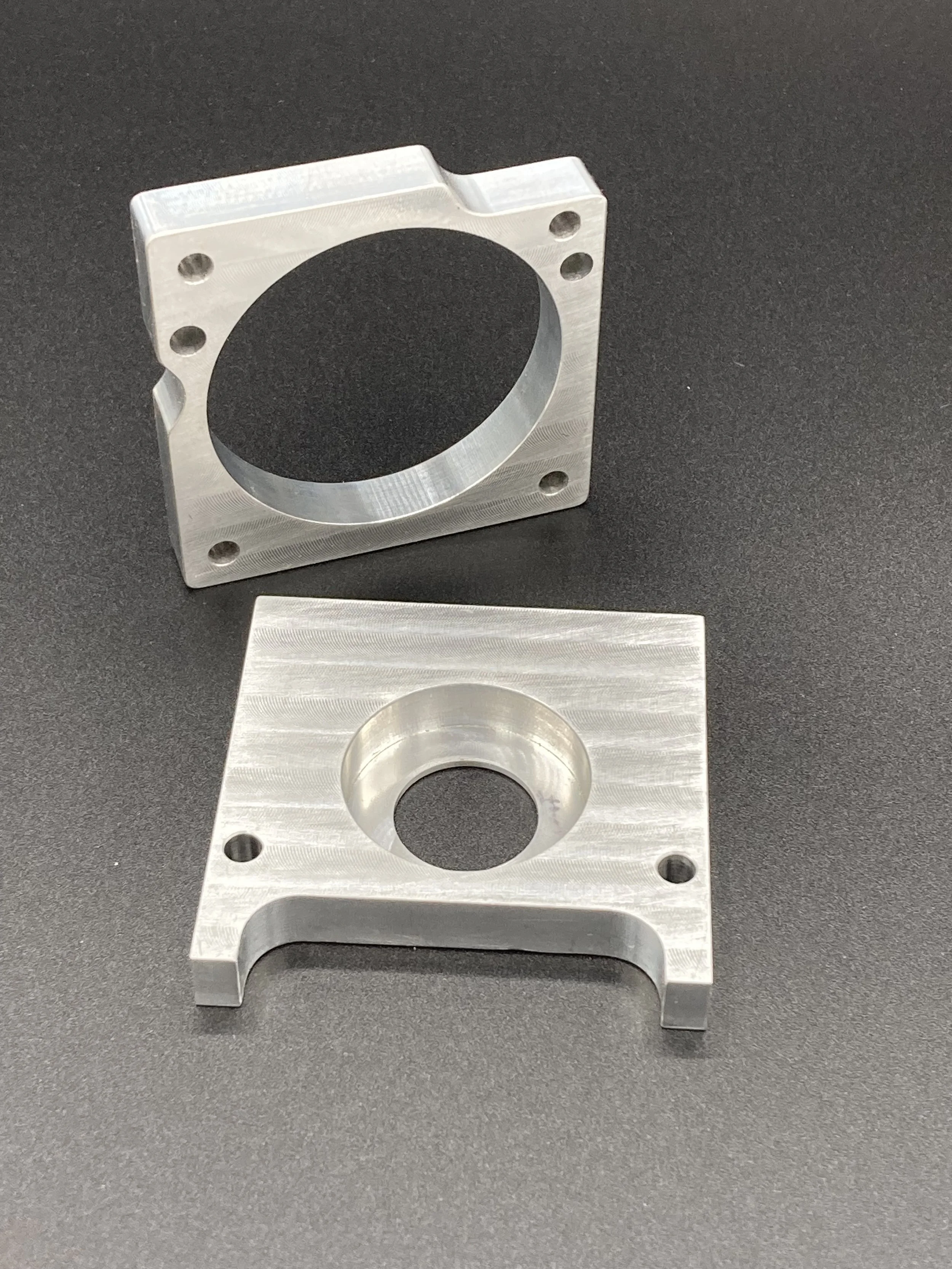
The Career Path of a Modern Machinist
What Is the Career Path of a Modern Machinist?
A modern machinist typically progresses through five career stages: apprenticeship, journeyman machinist, specialization, senior or expert machinist, and leadership or mentorship roles. Advancement depends on hands-on experience, technical training, certifications, and continuous learning as machining technology evolves.
How Long Does It Take to Become a Machinist?
Most machinists take 3–5 years to complete an apprenticeship and 8–10+ years to reach senior or expert-level status. The timeline varies based on specialization, certifications, and exposure to advanced CNC and automation technologies.
1. Apprenticeship Phase: Learning the Fundamentals of Machining
Typical Duration: 3–5 years
Most machinists begin their careers through a formal apprenticeship program or employer-sponsored training. Apprenticeships combine paid, on-the-job experience with classroom instruction, creating a strong foundation in manufacturing fundamentals.
Key Skills Learned During Apprenticeship:
· Blueprint reading and GD&T fundamentals
· Precision measurement using micrometers, calipers, and gauges
· Operation of manual machine tools such as lathes, mills, and surface grinders
· OSHA-compliant shop safety procedures
· Apprentices work under the supervision of experienced machinists, learning not only technical skills but also shop workflow, documentation standards, and quality expectations.
Primary Goal:
Build foundational machining skills while developing accuracy, safety awareness, and professionalism on the shop floor. Learn more about registered apprenticeships: https://www.apprenticeship.gov/
2. Journeyman Machinist: Working with Confidence
After completing an apprenticeship, machinists typically earn journeyman status.
Expanded Skill Set Includes:
· Machine setup and tool selection
· Interpreting engineering drawings with minimal supervision
· Running CNC equipment and making offsets
· Basic troubleshooting and part verification
Typical Responsibilities:
· Producing parts to exact specifications
· Performing in-process and final quality checks
· Maintaining tooling, machines, and work areas
· At this stage, machinists often pursue certifications to validate their skills and improve employability.
Common Certifications:
· CNC Operator Certifications
· Tooling and setup credentials
· National Institute for Metalworking Skills (NIMS) certifications: https://www.nims-skills.org
3. Specialization and Advanced Machining Skills
As machinists gain experience, many choose to specialize in advanced manufacturing areas that command higher pay and responsibility.
High-Demand Specializations Include:
· CNC programming (G-code and CAM software)
· 5-axis and multi-axis machining
· Advanced materials such as titanium, Inconel, and composites
· Precision metrology and inspection
Professional Development Options:
· Manufacturer training programs
· Online technical coursework
· Industry-recognized certifications from NIMS or SME: https://www.sme.org
Machinists at this level can independently program, optimize, and troubleshoot complex machining operations which make them essential contributors to production efficiency.
4. Senior / Expert Machinist: Mastery and Leadership
Typical Experience: 10+ years
Senior machinists are experts in both technical execution and problem-solving. Their role often extends beyond running machines to improving entire manufacturing processes.
Core Responsibilities:
· Designing machining strategies and workflows
· Improving cycle times and reducing scrap
· Leading teams and mentoring junior machinists
· Implementing automation, robotics, and additive manufacturing solutions
Expert machinists are frequently consulted when tolerances are tight, materials are challenging, or production problems arise.
5. Leadership and Mentorship Roles in Machining
Many experienced machinists transition into leadership or technical support roles as their careers progress.
Common Career Advancements Include:
· Shop floor supervisor or lead machinist
· Manufacturing or production engineer
· CNC programmer or process engineer
· Technical trainer or apprenticeship mentor
These professionals help maintain quality standards while training the next generation of machinists which is a critical need as the manufacturing workforce evolves.
6. Continuous Learning in Modern Manufacturing
Machining technology changes rapidly, making lifelong learning essential.
Expert machinists stay competitive by:
· Learning new CNC controls and CAM software
· Adapting to new materials and cutting technologies
· Attending industry trade shows and manufacturing conferences
· Networking with other professionals in the field
According to the U.S. Bureau of Labor Statistics, skilled machinists continue to be in demand across multiple industries.: https://www.bls.gov/ooh/production/machinists-and-tool-and-die-makers.htm
From apprenticeship to expert status, a machinist’s career is built on progressive skill development, specialization, and leadership. Success depends on hands-on experience, formal training, industry certifications, and a commitment to continuous improvement.
For individuals who enjoy precision work, problem-solving, and advanced technology, machining offers a stable and rewarding career path in modern manufacturing.