Production machining means making a lot of the same parts with great accuracy. Factories use machines like CNC (Computer Numerical Control) machines, Swiss machines, and multi-axis turning machines to do this.

Machining.Blog® is a weekly blog focused on manufacturing career development. It features blog articles on the fundamentals of manufacturing for aspiring machinists. Our goal is to create an interest in manufacturing in the USA. Our writer Matthew Schowalter has worked in manufacturing for 24 years, and he covers the topics that matter to someone starting their career in manufacturing.

“The soft skills the machinist uses are the unseen tools in their box and can directly impact the success or failure of a dreamed after machining career.”
All in CNC Programming
Production machining means making a lot of the same parts with great accuracy. Factories use machines like CNC (Computer Numerical Control) machines, Swiss machines, and multi-axis turning machines to do this.
Machining is by far more interesting than what most people know. From the challenges of implementing new complex equipment in the shop, to CNC programming, or even making complex parts in one setup. It is definitely a career choice that most don’t know how advanced it can be, especially the machining of today. Now, we can make parts in one setup that were once made in many setups on multiple pieces of equipment over a long time frame. My career is a success story in manufacturing technology as I have embraced the technology of today.
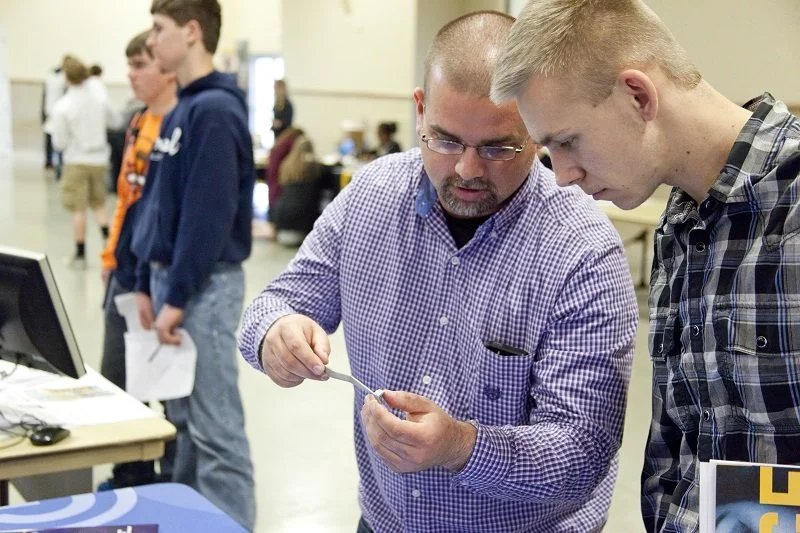
Cardinal Manufacturing in Strum Wisconsin is a school-based manufacturing program that operates both as a class and a business as well. The students gain real world life experiences while enrolled in the program. These experiences include problem solving and working in professional roles.
When you ask what machining means to me, I could go on for hours with stories about how I made complex parts on machines that are even more complicated than the parts themselves. Machining is by far more interesting than what most people know. From the challenges of implementing new complex equipment in the shop, to CNC programming, or even making complex parts in one setup. It is a career choice that most do not know how advanced it can be, especially the machining of today. Now, we can make parts in one setup that were once made in many setups on multiple pieces of equipment over a long-time frame. My career is a success story in manufacturing technology as I have embraced the technology of today and here is how I made it happen with six simple steps in career success.
Cardinal Manufacturing is a student-run business in the Eleva-Strum High School. In a student-run business the students are responsible for all aspects of the business. It is a custom job shop that makes machined parts for community members and people throughout the country. Check out this video on the program.
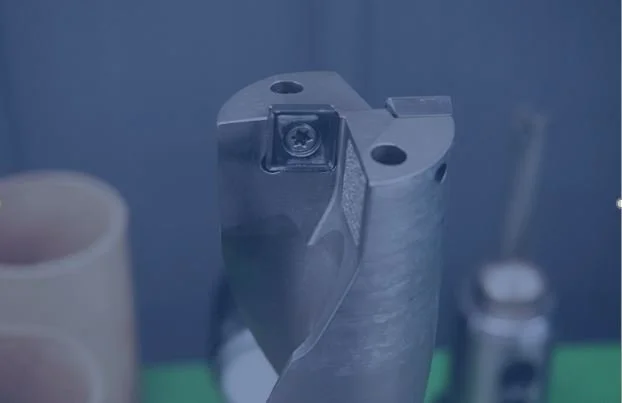
While spending much of my career working in the medical machining industry, it was an education into complex part machining. What is being done today in the machining industry is exceptional. Now a highly engineered part can be made compete in one setup in a machine that can turn, mill, drill, hob, broach, thread whirl, and gun drill parts. I have implemented lathes from 5-axis models up to 11-axis models. Here is a breakdown of what it might take to implement advanced lathes.
Machining could be a stressful job, but it is as stressful as you make it out to be. For example, there are many things to consider when machining parts, like quality issues, time deadlines, and machining conditions. These items may be stressful when you look at everything at once, but if you form a plan with many individual goals to meet it will add up to the end goal of making a quality part and on time.
The workflow varies from shop to shop, but we will breakdown what it might take to process a CNC lathe part.
There are many terms to know and understand in the machining industry. If you are just getting started in the industry, we have designed this list to better prepare you for the job.
Over the last 5 years, I have been observing the manufacturing industry worker shortage. The drastic change that I have seen over my 24-year career is alarming. While most industries change over time, I believe the changes that are happening to manufacturing are more than that. We are in a worker shortage crisis.
So, you have finished your education, either in high school or post-secondary trade school or both, and you are ready to find that machine shop meant for you. Many people do not take compatibility into consideration when completing their job search, but they should.
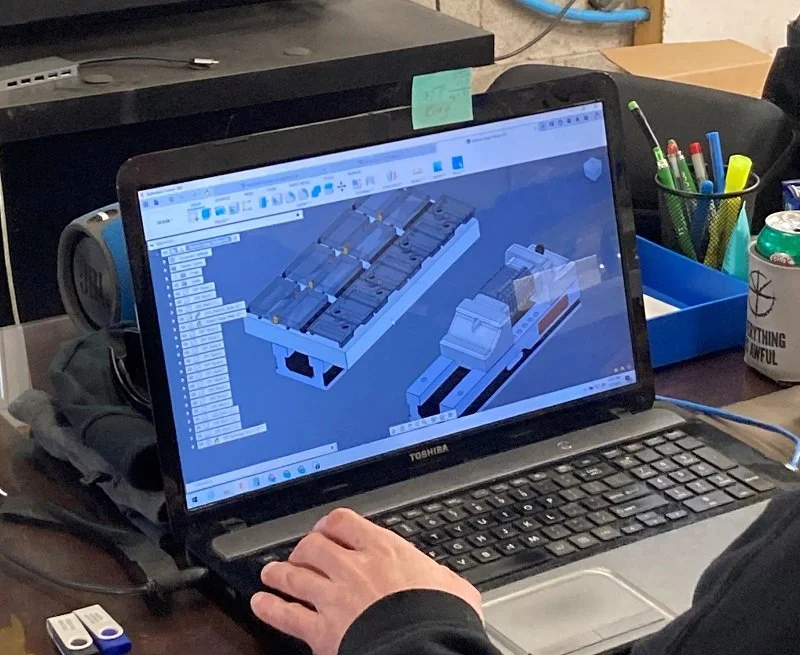
When planning a CNC machining process there are many considerations and options to choose. From cutting tool selection to cutting parameters, the choices have a major effect on the end results. Here is what it might take to define a CNC toolpath:
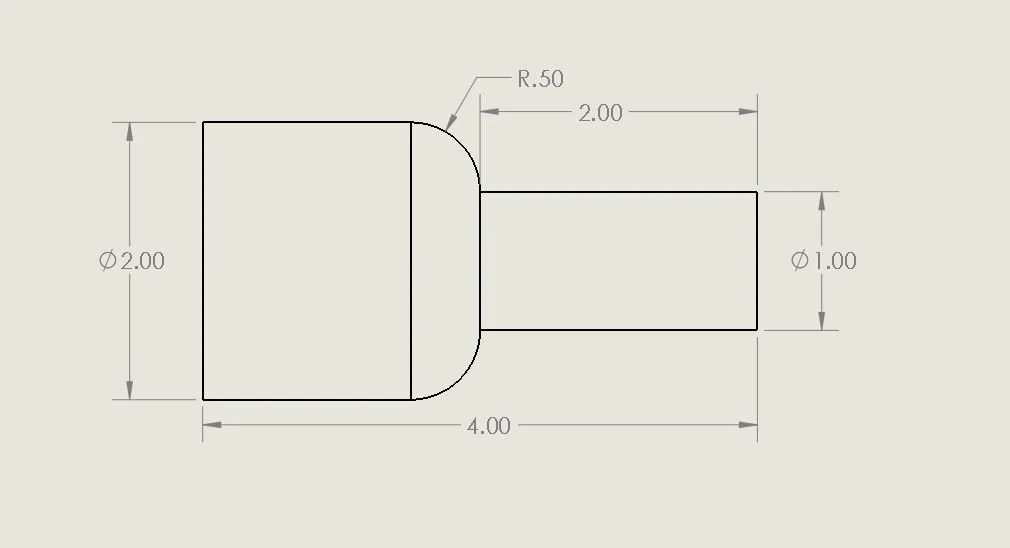
The code to program a G3 counter-clockwise arc on a lathe is: G3X______ Z_______ R_______
We will cover the basics of Parameter programming. The concepts learned can be applied to many CNC projects and can be used in small shops and large shops alike. In G Code, macro programming variables are assigned values and when they are referenced and called they provide the last value that they were assigned. Some ways that variables can be used are for machining part families and for modifying work offsets and tooling offsets.
Please fill out the form to ask us machining questions.