All in CNC Machining

How to Advance Your Machining Career Without Leaving the Shop Floor

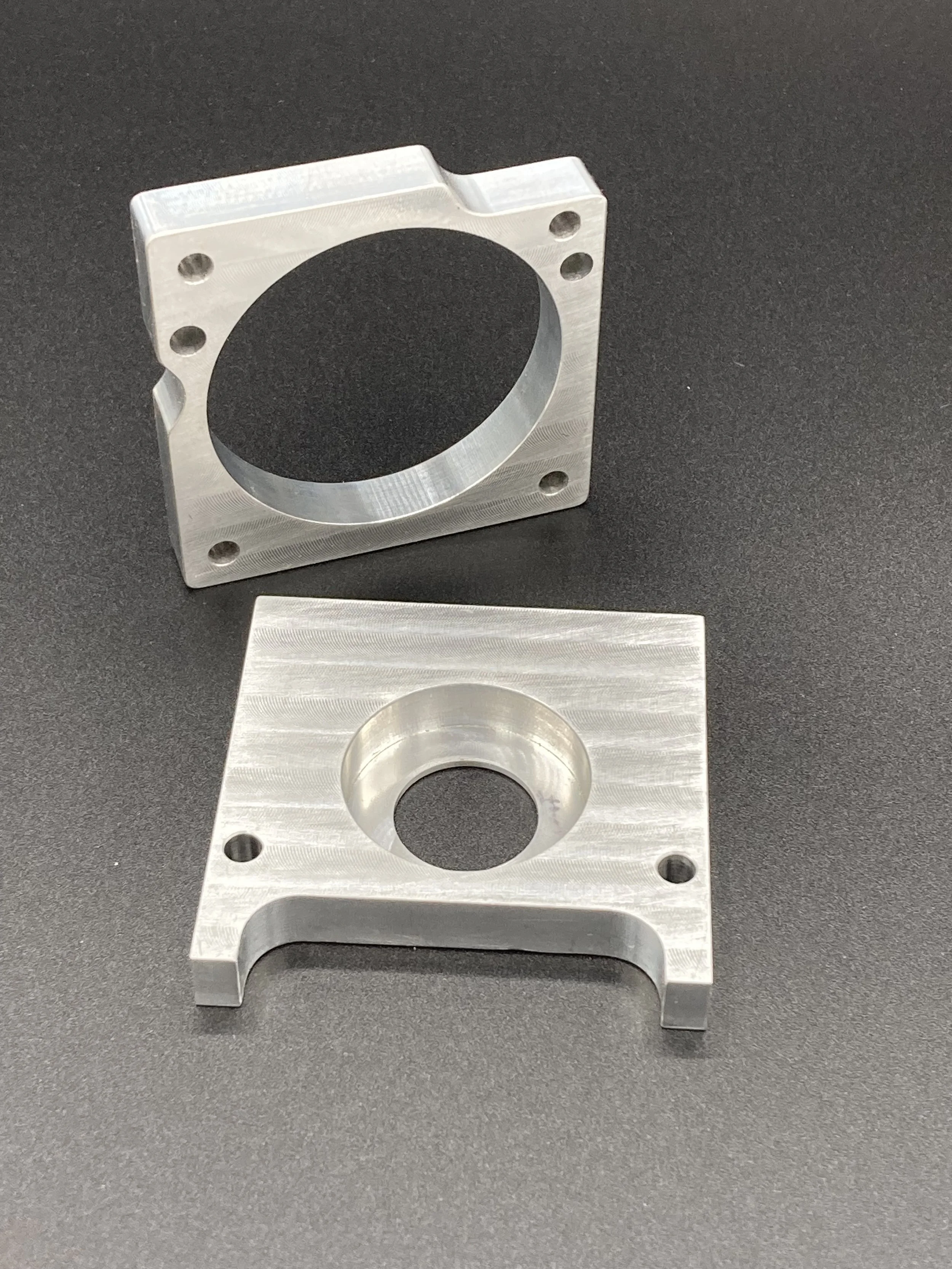
Many machinists prefer to stay on the shop floor, where their skill and craftsmanship transform raw material into precision parts. Remaining in a hands-on role does not limit career growth; you can continue to advance, increase your earnings, and gain respect without stepping away from the machines.

Essential Tools Every Machinist Should Own (and why)

In the world of machining, precision isn’t just a goal, it’s the foundation of the craft. Whether you’re working in a high-tech CNC shop or tinkering in a home garage, the right tools are the difference between a flawless part and a costly mistake. But with so many gadgets and gizmos on the market, how do you know which ones are truly essential?

Inside the Shop: A Day in the Life of a Precision Machinist

The shop floor hums before the sun is fully up. The air carries a faint scent of machine oil, and the rhythmic clatter of metal on metal is already underway. For a precision machinist, the day doesn’t just begin with a clock-in, it begins with a mindset: accuracy above all else.

Popular Machinist Tools

When I got started in machining, I really didn’t know what kind of tools to purchase. There is a vast variety of tooling to use in the shop, from inspection tools to hand tools. While having a limited budget, I had to choose to first buy the tools that I thought that I would use the most. This will vary from machine shop to machine shop often dependent on the type of work that the machinist does. Here is a list of some of the more popular choices for tools:

What is CNC Machining?

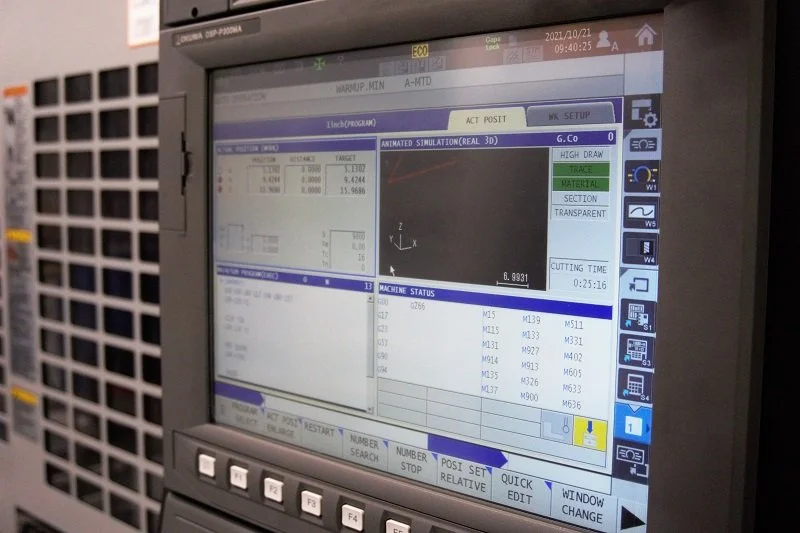
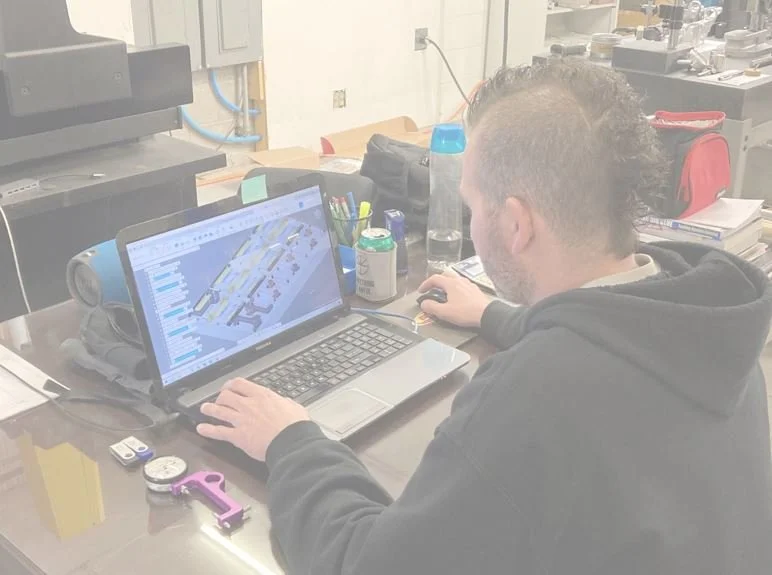
CNC is an acronym for Computer Numerical Controlled. CNC is a type of machining practice. Besides CNC the other type of machining is manual machining. In CNC machining the workpiece is held in the machine and the CNC Programmer writes code so that the CNC machine can machine the workpiece. The CNC Machinist sets up and operates the CNC machine and oversees the machining process.

The Basics of 1-2-3 Blocks

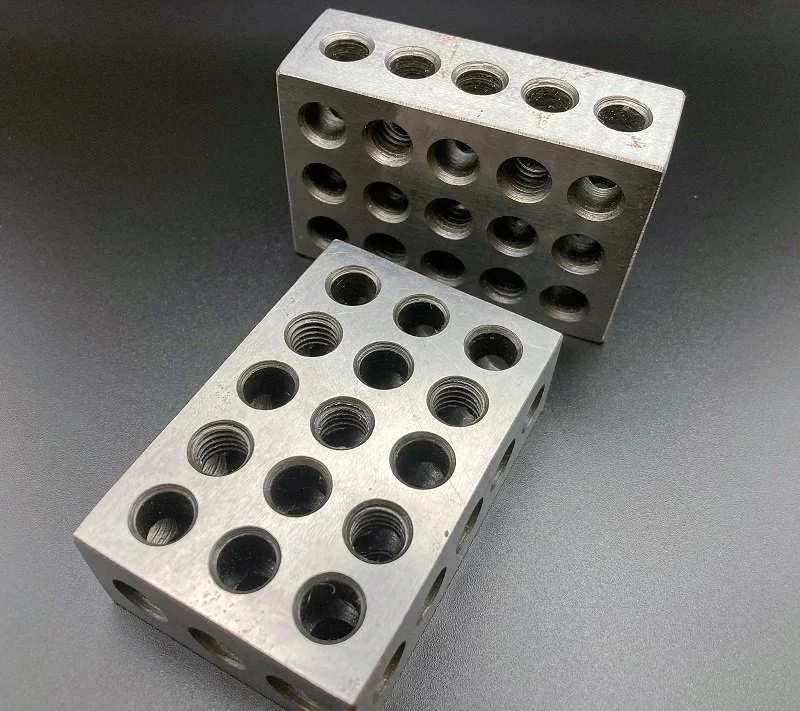
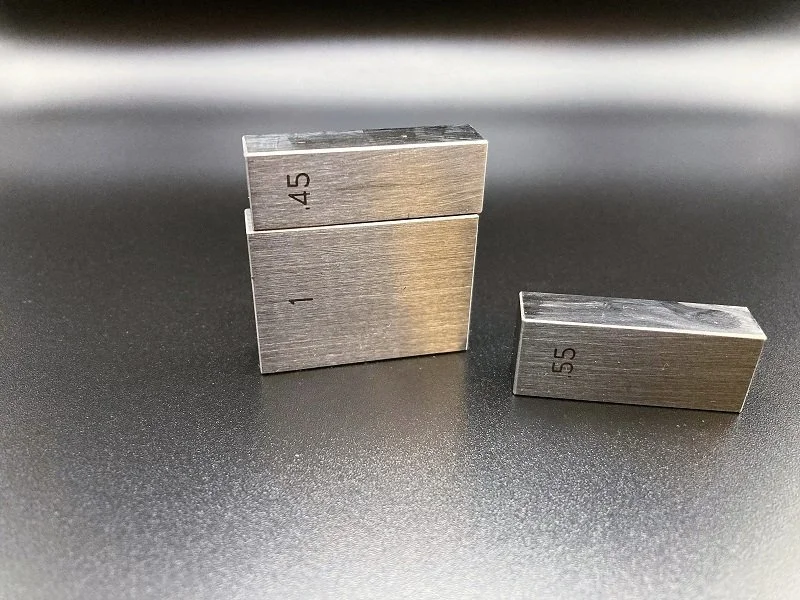
My first project in technical collage for tool and die making was to make 1-2-3 blocks. I milled the blocks oversize to leave stock for precision grinding. After drilling and tapping the holes in the blocks, we case hardened them. The last process was to precision grind them to size. The grinding process involved both grinding to blocks to size and to a squareness tolerance.