How to Advance Your Machining Career Without Leaving the Shop Floor

Many machinists prefer to stay on the shop floor, where their skill and craftsmanship transform raw material into precision parts. Remaining in a hands-on role does not limit career growth; you can continue to advance, increase your earnings, and gain respect without stepping away from the machines.

Essential Tools Every Machinist Should Own (and why)

In the world of machining, precision isn’t just a goal, it’s the foundation of the craft. Whether you’re working in a high-tech CNC shop or tinkering in a home garage, the right tools are the difference between a flawless part and a costly mistake. But with so many gadgets and gizmos on the market, how do you know which ones are truly essential?

Inside the Shop: A Day in the Life of a Precision Machinist

The shop floor hums before the sun is fully up. The air carries a faint scent of machine oil, and the rhythmic clatter of metal on metal is already underway. For a precision machinist, the day doesn’t just begin with a clock-in, it begins with a mindset: accuracy above all else.

Where Students Gain Real Skills, Real Habits, and Real Opportunities

Across the country, educators are searching for meaningful ways to prepare students for life after high school. At Cardinal Manufacturing in Strum, Wisconsin, that preparation is at the core of their mission. The program’s primary goal is to equip students with the technical skills, confidence, and strong work habits that employers look for, such as professionalism, communication and responsibility.

Steps to Career Success in Machining

THE STEPS TO CAREER SUCCESS IN MACHINING

  1. Get a Technical Degree – A solid educational foundation is a critical building block, you will make a lot more money in your career if you follow through with a Technical College education.

  2. Serve a State Sponsored Apprenticeship – This is an excellent way to learn the skills of the trade and climb the pay scale also. It also will ensure that you are viewed as a professional in your career. By finishing an apprenticeship and becoming a journeyman, you will be put in a position to make a good wage for the rest of your career.

  3. Never Stop Learning – Enroll in at least two specialized classes per year. It is an excellent way to build a great resume also, as it shows future employers that you are a dedicated career professional.

Popular Machinist Tools

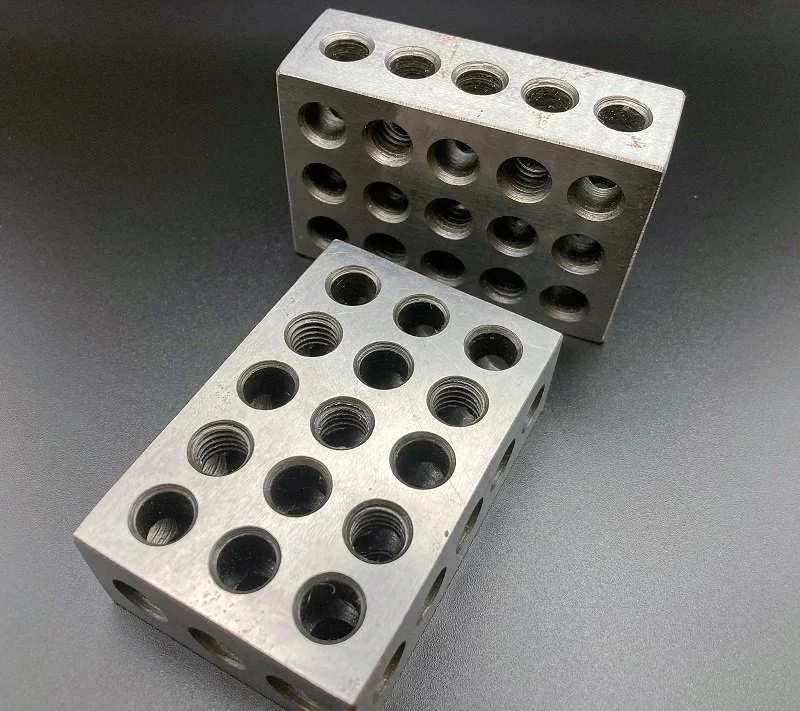
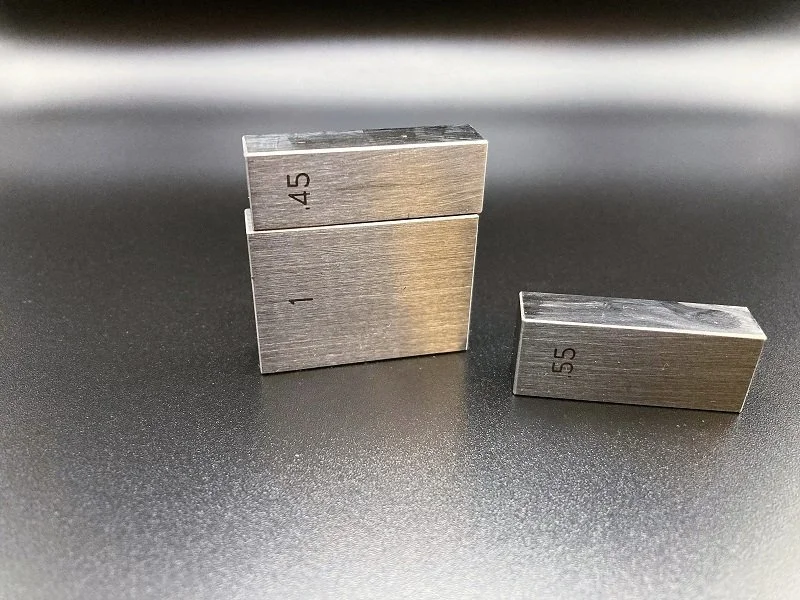
When I got started in machining, I really didn’t know what kind of tools to purchase. There is a vast variety of tooling to use in the shop, from inspection tools to hand tools. While having a limited budget, I had to choose to first buy the tools that I thought that I would use the most. This will vary from machine shop to machine shop often dependent on the type of work that the machinist does. Here is a list of some of the more popular choices for tools: